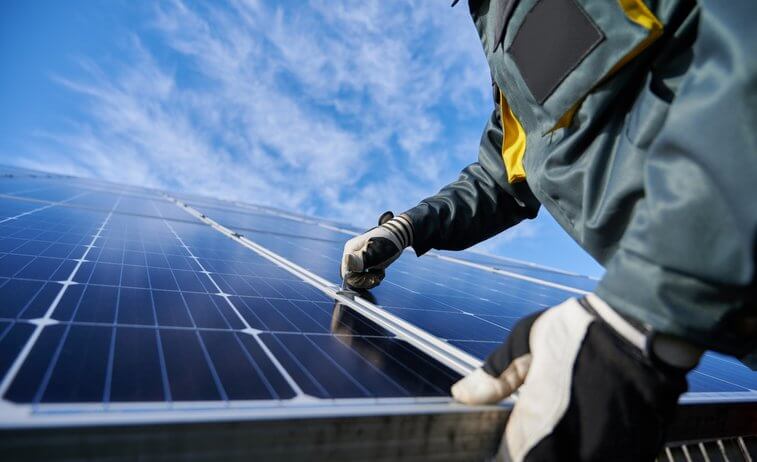
How Do Solar Panels Work? A Simple Guide to Solar Energy in 2025
Ever wondered how solar panels work to slash your electric bill by $1,000–$3,500 a year and keep your home powered during outages? With over 7% of U.S. homes using solar in 2025, it’s no surprise folks are curious about solar energy systems. Whether you’re eyeing solar panel and battery installation from big names like Tesla or Sunrun, or looking for trusted local installers, this guide explains the magic behind solar panels in plain English. We’ll also share how to find the best solar panel installers near me and compare offers to maximize solar energy savings. Ready to dive in? Use EnergySage to get free quotes from vetted local pros and save up to 20% ($2,000–$5,000).
How Do Solar Panels Work? A Step-by-Step Explanation
Solar panels turn sunlight into electricity you can use to power your home. Here’s how it all comes together:
- Sunlight Hits the Panels: Solar panels are made of photovoltaic (PV) cells, usually silicon, that absorb sunlight. When sunlight hits these cells, it excites electrons, creating an electric current (DC, or direct current).
- Inverter Converts the Power: The DC electricity flows to an inverter, which converts it to AC (alternating current)—the type your home appliances use. Modern inverters, like Enphase IQ8, are 97%+ efficient, per EnergySage (2025).
- Power Your Home: The AC electricity powers your lights, fridge, AC, and more. If your panels produce extra energy, it can go to a solar battery storage system or back to the grid.
- Battery Storage for Later: Batteries (e.g., Tesla Powerwall, 13.5 kWh) store excess energy for nighttime, cloudy days, or outages, keeping your essentials running for 12–48 hours.
- Net Metering for Savings: If you send extra power to the grid, your utility may credit you via net metering, lowering your bill. In states like California, this saves $1,000–$3,500/year, per This Old House (2025).
- Monitoring Keeps It Smooth: Most systems come with apps (e.g., Tesla, Palmetto) to track energy production and savings in real time.
It’s like having a mini power plant on your roof—clean, quiet, and eco-friendly!
Why Add Battery Storage?
Solar battery storage makes your system even smarter. Batteries store surplus energy, so you’re not reliant on the grid at night or during peak rates ($0.33/kWh in CA). They also provide backup power during outages. For example, a 7.2 kW system with a 10–13.5 kWh battery can power critical appliances (fridge, lights, Wi-Fi) for 12–48 hours, per EnergySage. Top companies like Tesla and Sunrun bundle batteries like the Powerwall or Enphase IQ for maximum solar energy savings.
Top 5 Trusted Solar Companies for 2025
To bring solar to your home, you’ll need a reliable installer. Below are the top five U.S. solar companies, known for their trust, heavy advertising, and quality solar panel and battery installation. Prices are for a 7.2 kW system (average U.S. home size) with battery storage, based on EnergySage, CNET, and Forbes Home data.
1. Palmetto Solar
- Website: Palmetto
- Customer Rating: 4.8/5 (ConsumerAffairs, CNET, 4,694,011 reviews)
- States Available: 25 states (CA, TX, FL, NY, PA, IL, etc.)
- Best Offer: Palmetto Power PPA—$0 down, $0.11–$0.16/kWh (10–30% below utility rates). Includes Sonnen battery (5–10 kWh) and optional $29/month monitoring.
- Price: PPA: $50–$130/month; Purchase: $18,720–$25,200 + $4,500–$9,000 battery. Saves $1,000–$2,500/year.
- Why They’re Trusted: CNET’s top pick for 2025, Palmetto uses Qcells panels (21% efficiency) and excels in transparency. Timothy F. (BBB, January 2025) says, “Their team made it so easy!”
- Drawbacks: Monitoring costs extra; permitting delays (2–4 weeks).
2. Sunrun
- Website: Sunrun
- Customer Rating: 4.5/5 (ConsumerAffairs, This Old House, 1,000+ reviews)
- States Available: 20+ states (CA, TX, NY, MA, NJ, FL, etc.), Washington, D.C., Puerto Rico
- Best Offer: BrightSave Monthly PPA—$0 down, $0.12–$0.18/kWh (e.g., $0.17/kWh vs. $0.34/kWh in CA). Includes Tesla Powerwall or LG Chem Brightbox (10–13.5 kWh).
- Price: PPA: $50–$150/month; Purchase: $19,656–$26,424 + $11,500–$14,500 battery. Saves ~$210/month in CA.
- Why They’re Trusted: America’s largest installer with over 1 million installs. Uses Qcells panels and offers 24/7 monitoring. An X post (@SelfPsyc, July 2025) raves about a $14/month bill in San Diego.
- Drawbacks: PPA escalator clauses (1–3%); slower support for purchases.
3. Tesla
- Website: Tesla
- Customer Rating: 4.2/5 (EcoWatch, ConsumerAffairs)
- States Available: All 50 states (via third-party installers)
- Best Offer: Price Match Guarantee—Matches competitor quotes for panels and Powerwall 3 (13.5 kWh, 90% efficiency). Includes Tesla app.
- Price: $18,000–$25,200 ($2.50–$3.50/W) + $11,500–$14,500 Powerwall. Saves $1,000–$3,000/year.
- Why They’re Trusted: Tesla’s sleek panels and Powerwall 3 offer 20–48 hours of backup. EcoWatch (2025) loves their affordability and design.
- Drawbacks: Third-party installers can lead to spotty service (BBB, 2025); no PPAs.
4. ADT Solar
- Website: ADT Solar
- Customer Rating: 4.4/5 (Google Reviews, BBB)
- States Available: 22 states (CA, TX, FL, AZ, NV, etc.)
- Best Offer: PowerGuard Purchase Bundle—Price match guarantee, Qcells panels, Tesla Powerwall, and low-APR loans (4–8%).
- Price: PPA: $0.12–$0.17/kWh ($50–$140/month); Purchase: $19,440–$26,640 + $11,500–$14,500 battery.
- Why They’re Trusted: Backed by ADT’s security brand, they offer fast installs (3–4 weeks) and reliable equipment.
- Drawbacks: Limited states; some report pushy sales (BBB, 2025).
5. Freedom Solar Power
- Website: Freedom Solar
- Customer Rating: 4.6/5 (ConsumerAffairs, NerdWallet)
- States Available: 6 states (TX, CO, FL, NC, VA, UT)
- Best Offer: 0% APR Loan—No-interest loans for purchases with Mission Solar panels and Tesla Powerwall. PPA: $0.13–$0.18/kWh.
- Price: PPA: $60–$150/month; Purchase: $20,160–$27,360 + $11,500–$14,500 battery.
- Why They’re Trusted: NerdWallet praises their 25-year workmanship warranty and in-house installs.
- Drawbacks: Only in six states; California licensing issues (2025).
Price and Offer Comparison Table
| Company | Best Offer | PPA Rate | Purchase Cost (7.2 kW + Battery) | Battery | States | Customer Rating |
|---|---|---|---|---|---|---|
| Palmetto Solar | Palmetto Power PPA | $0.11–$0.16/kWh | $23,220–$34,200 | $4,500–$9,000 | 25 | 4.8/5 |
| Sunrun | BrightSave Monthly PPA | $0.12–$0.18/kWh | $31,156–$40,924 | $11,500–$14,500 | 20+ | 4.5/5 |
| Tesla | Price Match Guarantee | N/A | $29,500–$39,700 | $11,500–$14,500 | 50 | 4.2/5 |
| ADT Solar | PowerGuard Purchase Bundle | $0.12–$0.17/kWh | $30,940–$41,140 | $11,500–$14,500 | 22 | 4.4/5 |
| Freedom Solar | 0% APR Loan | $0.13–$0.18/kWh | $31,660–$41,860 | $11,500–$14,500 | 6 | 4.6/5 |
Notes:
- PPA monthly costs: $50–$150 (7,000–12,000 kWh/year).
- Purchase costs include 7.2 kW system + battery, before tax credit.
- Savings: $1,000–$3,500/year, based on state rates ($0.11–$0.33/kWh).
- Check local availability via EnergySage.
How to Find Trusted Local Solar Installers
Want to pair solar panels with the right installer? Here’s how to find a trusted pro near you:
- Compare Quotes: Get 3–5 quotes via EnergySage to save 10–20% ($2,000–$5,000). Local installers often beat big brands on price.
- Verify NABCEP Certification: Ensures quality work. All top companies use certified teams or partners.
- Check Reviews: Palmetto (4.8/5) and Sunrun (4.5/5) lead, but local installers may shine on BBB or Google for personalized service.
- Explore Financing: PPAs (Palmetto, Sunrun) or 0% APR loans (Freedom Solar) cut upfront costs. Cash purchases save more long-term.
- Tap Incentives: The Federal Solar Tax Credit saves 30% ($5,616–$12,427). State rebates (e.g., CA’s SGIP, $150/kWh; NY’s 25% credit) add savings—check DSIRE.
- Avoid Scams: Skip “free solar” offers or pushy sales (e.g., Momentum Solar’s BBB complaints, 2025). An X post (@SolarWatchTX, June 2025) warns of Texas scams promising “government-paid solar.”
- Pick Quality Equipment: Choose 20–22% efficiency panels (Qcells, Mission Solar) and batteries like Tesla Powerwall or Sonnen for reliability.
Benefits of Solar Panels and Battery Storage
- Save Money: Cut bills by $1,000–$3,500/year, with $31,000–$100,000 lifetime savings over 25 years.
- Stay Powered: Batteries (5–13.5 kWh) keep your home running for 12–48 hours during outages.
- Boost Home Value: Adds 4–6.8% ($15,000–$27,200 for a $400,000 home), per Zillow (2021).
- Go Green: Reduces ~8,000 lbs of CO2 yearly, like planting 120 trees.
FAQs About How Solar Panels Work
How do solar panels generate electricity?
Solar panels use photovoltaic cells to convert sunlight into DC electricity, which an inverter turns into AC power for your home. Excess energy can be stored in batteries or sent to the grid.
How much do solar panels and batteries cost?
PPA: $50–$150/month ($0.11–$0.18/kWh). Purchase: $23,220–$41,860 (7.2 kW + battery). Palmetto offers the lowest PPA rates.
Which solar company is the best in 2025?
Palmetto Solar (4.8/5, CNET) leads for low-cost PPAs and transparency. Sunrun (4.5/5) excels for availability, Tesla for purchases with Powerwall.
Are Tesla and Sunrun good choices?
Tesla’s price matching and Powerwall are ideal for buyers but use third-party installers. Sunrun’s PPAs save upfront costs but have escalator clauses.
How do I find trusted solar installers near me?
Use EnergySage for quotes from NABCEP-certified local installers. Check BBB or SolarReviews for feedback.
Wrap-Up: Power Your Home with Solar in 2025
Understanding how solar panels work is the first step to unlocking solar energy savings ($1,000–$3,500/year) and a more resilient home. Top companies like Palmetto Solar, Sunrun, Tesla, ADT Solar, and Freedom Solar Power make solar panel and battery installation easy and affordable. Palmetto’s $0.11–$0.16/kWh PPA is great for no upfront costs, while Tesla’s price matching suits buyers. Local installers often offer personalized service and lower prices. Use EnergySage to compare quotes and DSIRE for rebates. Pick a NABCEP-certified installer to avoid scams and enjoy clean, reliable power in 2025!
Disclaimer: Costs and availability vary by location. Verify installer credentials and consult a tax professional for incentive advice.